A keeping room is more than just another space inside a house. It is a warm, welcoming area located beside the kitchen, designed to bring people together while meals are prepared and conversations naturally unfold. Long before central heating became common, families gathered near the fireplace because it was the warmest place in the home. Today, homeowners have rediscovered the charm of this classic space and transformed it into a stylish yet practical corner for everyday living. Whether you own a traditional house or a modern home with an open-plan kitchen, a keeping room creates a comfortable environment where family members and guests feel connected without getting in the cook’s way.
Instead of treating the kitchen as a place only for cooking, many homeowners now view it as the true heart of the home. This concept is reinforced by a well-thought-out keeping room that provides cozy sitting, welcoming furnishings, and a tranquil setting that promotes conversation. Interior designers often describe it as an overflow space where everyone can enjoy spending time together while food is being prepared. From reading a favorite book to helping children with homework, enjoying appetizers, or simply chatting over coffee, this timeless concept continues to fit beautifully into modern lifestyles.
What Is a Keeping Room?
A keeping room is a cozy sitting area located directly next to or very close to the kitchen. Unlike a large family room or a secluded den, it is intentionally smaller and designed to create a close connection between cooking and socializing. Historically, people gathered in this room to stay warm beside the hearth while someone prepared meals. Today, the purpose has evolved, but the feeling remains exactly the same. It encourages family members and guests to stay connected while allowing the cook enough space to work comfortably.
Modern interior designers appreciate the flexibility of a keeping room because it adapts to almost any lifestyle. Some families use it as a quiet reading corner, while others turn it into a conversation area with soft chairs, benches, and cushions. Children often complete homework there, while friends enjoy snacks before dinner. The beauty of the room lies in its balance between functionality and comfort. Rather than replacing the living room, it complements the home’s overall layout by creating another destination where people naturally gather.
The History behind the Keeping Room
The story of the keeping room begins in Colonial America, where homes depended on a large fireplace to provide both heat and a place for cooking. Since there was no central heating, families naturally spent most of their time near the hearth, especially during cold seasons. While meals cooked over the fire, children played nearby, adults completed household tasks, and visitors joined conversations without interfering with meal preparation. Because everyone stayed close to the warmth, this special space became known as the keeping room, and many people also referred to it as a hearth room.
As technology improved and heating systems became common, many homes slowly abandoned this design. Large living rooms replaced smaller gathering spaces, and kitchens became separated from social areas. Recently, however, homeowners and designers have rediscovered the value of bringing people together in a comfortable setting. Modern keeping rooms no longer depend entirely on a working fireplace, but they continue to celebrate warmth, togetherness, and relaxed living. This renewed popularity proves that timeless ideas often return in fresh and exciting ways.
Why Keeping Rooms Are Becoming Popular Again
Homeowners today value experiences just as much as beautiful interior design. A keeping room supports both by creating a comfortable place where people can relax while staying connected to the activity happening in the kitchen. Instead of sending guests into another room, hosts can continue cooking while enjoying meaningful conversations. This creates a welcoming atmosphere that feels both practical and personal. Many designers believe these shared spaces strengthen relationships because everyone remains part of the same experience.
Television shows featuring beautifully restored homes have also inspired interest in the keeping room. Designers often combine traditional architecture with modern furniture to create spaces that respect history while fitting today’s lifestyle. Families appreciate having a quiet corner for reading, working, or enjoying coffee without leaving the center of household activity. As more homes embrace flexible layouts, the keeping room continues to prove that thoughtful design can improve everyday living in simple but meaningful ways.
Essential Features of a Perfect Keeping Room
Although every keeping room reflects the personality of its owner, several important features appear in most successful designs. The first is its location beside the kitchen, allowing conversation to flow naturally between people preparing meals and those relaxing nearby. Comfortable sofas, armchairs, benches, and supportive seating help create an inviting environment. Soft pillows, textured throws, woven furniture, and a cozy rug make the room feel warm even without a traditional fireplace.
Practical furniture also plays an important role. A small table provides space for drinks, appetizers, books, or board games. Some homeowners include a desk for writing, studying, or working remotely, while others add built-in storage for blankets, sewing supplies, magazines, and family games. Decorative lighting, carefully selected color schemes, natural textures, and layered materials complete the design. Together, these features transform a simple corner into a welcoming retreat that family members enjoy throughout the day.
Keeping Room vs Family Room
Although many people confuse these two spaces, they serve different purposes. A keeping room remains closely connected to the kitchen, encouraging interaction during cooking and meal preparation. It usually accommodates only a few people at a time, creating an intimate environment where conversations feel natural and uninterrupted. The focus stays on comfort, warmth, and shared experiences rather than entertainment.
A family room, on the other hand, is generally larger and positioned near the center of the home. It often includes televisions, entertainment systems, and enough seating for the entire family. While both spaces encourage togetherness, the keeping room offers a quieter atmosphere centered on hospitality and daily living. Many homeowners discover that having both rooms gives their home greater flexibility while supporting different types of family activities.
Design Ideas for a Modern Keeping Room
Creating a modern keeping room begins with blending comfort and elegance. Instead of filling the space with oversized furniture, choose seating that encourages conversation while maintaining easy movement around the kitchen. A neutral color palette, layered textures, natural wood finishes, and soft fabrics help establish a relaxing mood. Decorative candles, indoor plants, woven baskets, and carefully selected artwork add personality without making the room feel crowded.
Lighting also influences the overall atmosphere. Warm lamps, dimmable fixtures, and gentle accent lighting create a welcoming glow that makes guests want to stay longer. Mixing different patterns, natural materials, and carefully chosen accessories gives the room depth while maintaining harmony with the kitchen. By balancing beauty and practicality, homeowners can create a keeping room that feels timeless while meeting the needs of modern family life.
How to Create a Keeping Room in a Small Home
Many people believe they need a large house to enjoy a keeping room, but that simply is not true. Even a compact home can include this inviting space with thoughtful planning. Start by identifying an unused corner beside the kitchen, near a breakfast bar, or next to a kitchen island. A pair of comfortable chairs, a small bench, or an overstuffed armchair can instantly turn that area into a welcoming place where family members and friends naturally gather. The goal is not to create another living room but to design a cozy extension of the kitchen where everyone feels included while meals are being prepared.
You can also use clever furniture choices to make the most of limited space. A slim side table, hidden storage, floating shelves, or a compact daybed provides function without making the room feel crowded. Add books, simple board games, or a woven basket filled with soft blankets to encourage people to stay a little longer. When every item serves both a practical and decorative purpose, even the smallest corner can capture the timeless charm of a traditional keeping room.
Choosing the Right Furniture
Furniture shapes the personality of a keeping room, so comfort should always come before appearance. Select seating that encourages conversation rather than isolation. A soft sofa, upholstered armchairs, cushioned benches, or supportive lounge chairs invite people to relax without feeling too formal. Many designers also recommend using low-profile furniture that keeps the room visually connected to the nearby kitchen, allowing the entire space to feel open and welcoming.
A practical coffee table or central table creates the perfect place for drinks, appetizers, or family activities. Some homeowners include a writing desk for letters, work, or children’s homework, while others prefer decorative shelving for favorite books and collectibles. Mixing natural wood, woven materials and soft upholstery creates balance between function and beauty. The furniture should always encourage togetherness while preserving easy movement between the seating area and the cooking space.
Adding Warmth through Textures and Decor
A beautiful keeping room depends on more than furniture alone. The surrounding textures and decorative details help create the relaxing atmosphere that makes people want to stay. Begin with a thick rug beneath the seating area to soften hard flooring. Layer the furniture with plush pillows, warm throws, and woven fabrics that add visual depth while making every chair feel more comfortable. These simple additions create an inviting environment without requiring expensive renovations.
Decorative accessories should support the room instead of overwhelming it. Handmade pottery, framed artwork, woven baskets, indoor plants, and carefully selected ornaments add personality while maintaining a peaceful appearance. Warm earth tones, gentle neutrals, or subdued greens provide a harmonious color palette that complements the kitchen. Mixing different patterns, subtle textures, and solid colors creates harmony while preventing the room from looking flat or overly decorated.
Lighting That Creates a Cozy Atmosphere
Lighting completely changes the feeling of a keeping room. Bright overhead fixtures often make the space feel cold, while layered lighting produces warmth and comfort. Interior designers frequently recommend using table lamps, floor lamps, and wall lighting instead of relying entirely on ceiling fixtures. Soft white bulbs with a 2500K to 2700K color temperature create a gentle glow that encourages relaxation and conversation throughout the evening.
Installing dimmable lighting gives homeowners greater flexibility because they can adjust brightness depending on the occasion. During family dinners, the room may benefit from brighter lighting, while evening conversations become more enjoyable under softer illumination. Decorative candles, shaded lamps, and warm-toned lighting fixtures also contribute to the welcoming character of the room. Good lighting does more than improve visibility it creates emotion, making guests feel comfortable from the moment they enter.
Why Families Love a Keeping Room
Modern families often spend busy days working, studying, and managing different schedules. A keeping room creates a natural opportunity for everyone to reconnect without interrupting daily routines. Parents can prepare meals while children complete homework, read books, or play quiet games nearby. Friends can enjoy appetizers and conversations instead of waiting in another room. This shared experience strengthens relationships because everyone remains part of the same activity.
The room also supports flexibility throughout the day. In the morning, it becomes a peaceful place for coffee. During the afternoon, it transforms into a reading corner or workspace. Family talks, storytelling, or casual get-togethers before to dinner are common in the evenings. Because the space serves multiple purposes, homeowners gain far more value than they would from a room used only occasionally. That versatility explains why the keeping room continues to return in today’s home designs.
Common Mistakes to Avoid
Although creating a keeping room sounds simple, several mistakes can reduce its comfort and functionality. One common problem is choosing oversized furniture that blocks movement between the seating area and the kitchen. Since this room acts as a natural extension of the cooking space, people should move freely without navigating around large pieces. Selecting furniture that matches the room’s scale keeps the area comfortable while maintaining an open appearance.
Another mistake involves ignoring comfort in favor of decoration. Beautiful furniture loses its purpose if nobody enjoys sitting there. Hard surfaces, poor lighting, or cluttered decorations can also make the room feel less welcoming. Avoid mixing too many bold patterns or unrelated colors because they disrupt the calm atmosphere. Instead, focus on soft textures, practical layouts, and a consistent design that encourages people to gather naturally.
Bringing Traditional Charm into Modern Homes
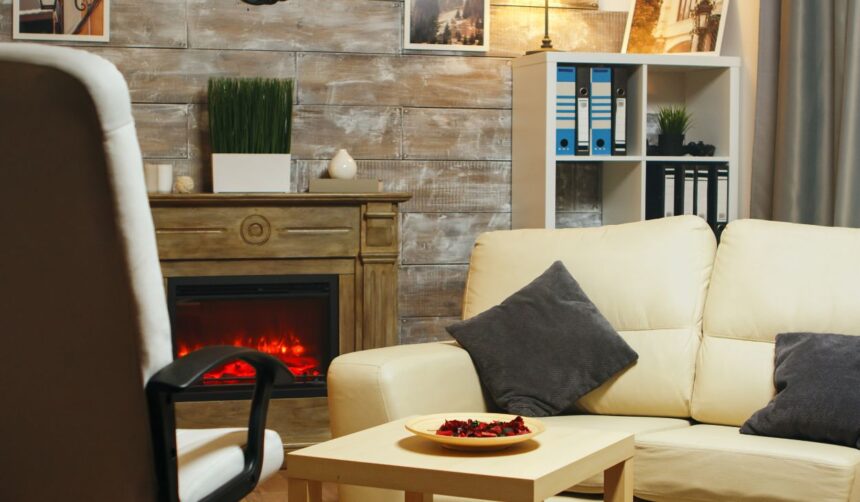
One of the greatest strengths of a keeping room is its ability to blend history with contemporary living. Homeowners no longer depend on a large fireplace for warmth, but they still appreciate the feeling of gathering close to one another. Electric fireplaces, decorative hearths, or simply warm furnishings recreate the same welcoming atmosphere without requiring traditional construction. The idea remains unchanged: create a place where people feel comfortable spending time together.
Modern homes with open-plan kitchens benefit especially from this concept because it separates activities without closing off spaces. Guests remain connected to the cook while still enjoying their own seating area. Designers often describe this approach as creating multiple destinations inside one larger room. The result is a home that feels welcoming, functional, and thoughtfully designed for everyday living instead of only special occasions.
Conclusion
The keeping room proves that great home design is not about creating larger spaces but about creating better experiences. From its beginnings in Colonial America beside the warm hearth to its modern role beside today’s kitchen, this timeless space continues to encourage conversation, comfort, and meaningful family moments. The essence of the keeping room is the same regardless of whether your home has a dedicated space or just a comfortable nook with welcoming seating bringing people together while daily life unfolds organically.
As modern lifestyles continue to value connection over formality, the keeping room has earned its place once again as one of the most practical and welcoming spaces inside the home. Thoughtful furniture, warm lighting, soft textures, and a balanced layout transform even a small area into a relaxing retreat. By combining history with contemporary design, homeowners create a space that supports hospitality, strengthens family relationships, and makes every gathering feel a little more special.
FAQs About keeping room
- What is a keeping room used for?
A keeping room serves as a cozy sitting area beside the kitchen where family members and guests can relax, talk, read, enjoy snacks, or spend time together while meals are being prepared.
- Does a modern keeping room need a fireplace?
No. While traditional keeping rooms featured a fireplace or hearth, modern designs focus more on comfortable seating, warm lighting, soft textures, and an inviting atmosphere.
- How is a keeping room different from a family room?
A keeping room is usually smaller, located next to the kitchen, and designed for intimate conversation. A family room is generally larger, centrally located, and often centered on entertainment.
- Can I create a keeping room in a small kitchen?
Yes. A cozy corner with comfortable seating, a small table, decorative lighting, and soft furnishings can successfully recreate the feeling of a traditional keeping room, even in limited space.
- What colors work best in a keeping room?
Warm neutrals, soft earth tones, muted greens, natural wood finishes, and layered textures create a comfortable and welcoming environment that blends beautifully with the kitchen while maintaining the cozy character of a keeping room.