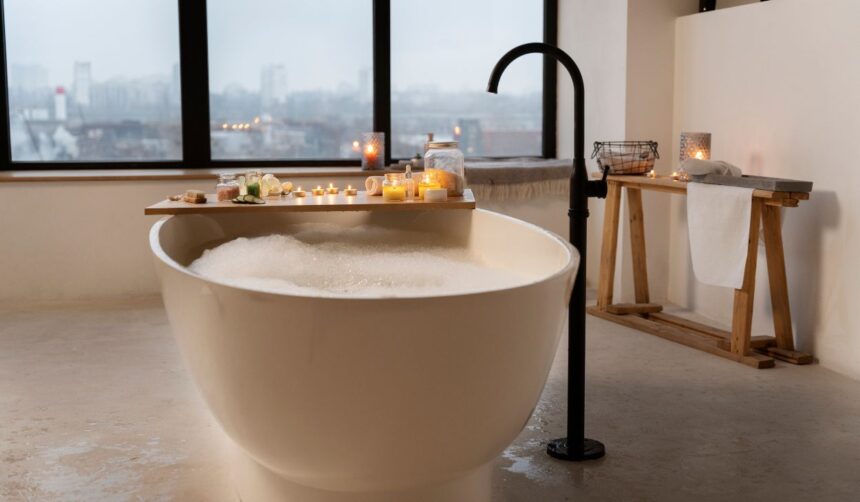
A garden tub brings comfort, elegance, and relaxation into a bathroom in a way that a standard bathtub rarely can. Many homeowners choose a soaking tub because it offers a deep, peaceful bathing experience that allows the entire body to stay beneath warm water. Unlike a traditional rectangular bathtub, a freestanding garden tub usually features a smooth oval shape, generous water capacity, and a stylish design that becomes the centerpiece of the room. Whether you are planning a bathroom remodel, building a new home, or simply exploring luxury bathroom ideas, understanding the benefits, materials, dimensions, and installation requirements will help you make a confident decision.
The popularity of the garden tub continues to grow because people now want bathrooms that feel like a personal spa rather than just a functional space. Modern homeowners appreciate long, relaxing soaks after busy days, while designers enjoy the flexibility of placing freestanding tubs almost anywhere in a spacious bathroom. New materials such as acrylic, enameled cast iron, and stone resin allow manufacturers to create beautiful tubs that combine durability, excellent heat retention, and attractive finishes. Today’s buyers also compare price, installation cost, maintenance, and water efficiency before selecting the perfect model.
Although many people think a garden tub is simply a large bathtub, it actually has a unique history and a distinctive purpose. Its generous size, deep soaking ability, luxurious appearance, and relaxing design separate it from ordinary tubs. Whether you prefer a timeless classic or a modern minimalist bathroom, learning how a garden tub fits your space, lifestyle, and budget can help you create a bathroom that feels welcoming every single day.
A Brief History of Garden Tubs
The origins of the garden tub may be traced back to 18th-century Europe, when affluent households loved taking outdoor baths while taking in the stunning scenery and well-kept gardens. Early versions were often crafted from zinc and decorated with elegant details that reflected luxury and status. The outdoor setting inspired the name garden tub, as these large soaking baths allowed people to enjoy nature while relaxing in warm water. Over time, this luxurious bathing style became associated with comfort, privacy, and refined living.
As architectural styles changed, homeowners moved the garden tub indoors but continued placing it near large windows with views of landscaped surroundings. Designers wanted to preserve the peaceful feeling of outdoor bathing while adding modern convenience. This tradition influenced today’s freestanding soaking tubs, which often become the focal point of spacious bathrooms. The connection between nature, comfort, and elegant design remains one of the strongest reasons why many people continue choosing a garden tub over a standard bathtub.
Modern bathroom trends have introduced new materials, improved plumbing systems, and stylish finishes, yet the original purpose remains unchanged. A garden tub still represents relaxation, quiet moments, and full-body soaking rather than quick daily bathing. While bathroom styles continue to evolve, homeowners who appreciate timeless comfort still view the garden tub as one of the most luxurious features they can add to their homes.
What Is a Garden Tub?
A garden tub is a large soaking tub designed for deep relaxation and complete body immersion. Most models feature a freestanding, oval-shaped design with greater width, length, and depth than a standard bathtub. This extra space allows users to stretch comfortably while warm water surrounds their entire body. Unlike ordinary tubs that often leave knees and shoulders exposed, a garden tub provides a true soaking experience that feels similar to visiting a private spa.
The deep design also improves comfort by supporting a natural reclining position. Because many garden tubs stand away from surrounding walls, they allow designers to create elegant bathroom layouts with floor-mounted faucets, decorative fixtures, and beautiful finishes. Some homeowners place them beside large windows to enjoy outdoor views, while others install them as the centerpiece of a luxury bathroom. Their graceful curves and spacious interior create an atmosphere that encourages relaxation and stress relief.
Although some people compare a garden tub with a hot tub or jacuzzi, important differences exist. A traditional garden tub focuses on quiet soaking without built-in spa jets, lights, or advanced massage systems. However, some modern versions include optional water jets, allowing homeowners to enjoy additional comfort while maintaining the classic appearance of a deep soaking bathtub. Whether you choose a traditional model or a more advanced version, the main purpose remains providing peaceful relaxation and long-lasting comfort.
Are Garden Tubs Still Popular in 2025?
Bathroom design continues to evolve, but the garden tub still holds a special place among homeowners who value comfort and luxury. Modern buyers often balance style with practicality, making freestanding soaking tubs, compact soaking tubs, and elegant spa-inspired bathrooms increasingly popular. Although some families choose shower-bath combinations or wet rooms to save space, many still appreciate the peaceful experience that only a deep garden tub can provide.
Current design trends also focus on space optimization, water conservation, and sustainability. As a result, manufacturers now produce garden tubs using environmentally friendly materials and more efficient production methods. Some homeowners choose slightly smaller soaking tubs that deliver the same relaxing experience while reducing water usage. The traditional garden tub is still useful in contemporary homes because it strikes a mix between luxury and functionality.
Design experts believe comfort never goes out of style. While bathroom layouts continue changing, people still want a quiet place to relax after work or spend peaceful moments away from everyday stress. A carefully selected garden tub, combined with quality lighting, attractive flooring, and thoughtful decoration, creates a timeless bathroom that feels luxurious for many years.
Garden Tub vs Standard Bathtub
Choosing between a garden tub and a standard bathtub depends on available space, budget, and personal preferences. A garden tub offers greater water capacity, deeper soaking, and a more luxurious appearance, while a standard bathtub fits comfortably into smaller bathrooms and usually includes an integrated shower. Homeowners who prioritize relaxation often prefer the larger soaking space, whereas families with limited room may appreciate the practical design of a standard bathtub.
| Feature | Garden Tub | Standard Bathtub |
| Design | Oval, freestanding, deeper | Rectangular, compact |
| Water Depth | Deep full-body soak | Moderate depth |
| Space Needed | Large bathroom | Small to medium bathroom |
| Shower Option | Limited | Common |
| Comfort | Excellent | Good |
| Cost | Higher | Lower |
| Installation | More complex | Easier |
The larger size of a garden tub allows complete body immersion, making it ideal for long, therapeutic baths with Epsom salts or simple relaxation after a busy day. A standard bathtub, while practical, usually provides less space for stretching and soaking. Buyers should consider bathroom size, plumbing requirements, installation costs, and long-term maintenance before making their final decision.
Garden Tub Materials
The material of a garden tub plays a major role in its appearance, comfort, durability, and long-term value. Choosing the right material affects heat retention, maintenance, cleanability, weight, and even installation costs. While dozens of materials exist, most homeowners compare enameled cast iron, acrylic, and stone resin (also known as composite stone). Each option offers unique advantages depending on your budget and the overall style of your bathroom. Understanding these differences helps you select a tub that matches your lifestyle instead of simply choosing the least expensive model.
Many designers continue recommending enameled cast iron because it provides exceptional durability, impressive heat retention, and a smooth finish that is easy to clean. The enamel coating resists stains and scratches, allowing the tub to maintain its appearance for many years. The main drawback is weight. A cast iron garden tub becomes extremely heavy once filled with water, which means professional installation and strong floor support are usually necessary. Even with these challenges, many homeowners believe the comfort and lifespan justify the investment.
An acrylic garden tub remains a popular alternative because it is lightweight, affordable, and highly flexible during manufacturing. This flexibility allows manufacturers to create unique oval, curved, and modern shapes that are difficult to achieve with cast iron. Although acrylic does not retain heat as effectively and may show signs of wear over time, it offers excellent value for many households. Stone resin or composite stone combines many benefits of both materials by delivering excellent heat retention, attractive finishes, durability, and greater design flexibility. This balance makes it a favorite option for homeowners who want luxury without sacrificing performance.
Garden Tub Dimensions and Capacity
One reason homeowner’s love a garden tub is its generous size. Unlike a standard bathtub, a garden tub allows complete body immersion, giving bathers the opportunity to relax without having their knees or shoulders exposed above the water. The most common dimensions measure approximately 42 inches wide, 60 inches long, and 24 inches deep, though manufacturers now produce many different sizes to fit various bathroom layouts. Larger custom models may reach nearly 70 inches wide, 70 inches long, and 30 inches deep, creating an experience similar to a small jacuzzi without permanent jets.
Size directly affects water capacity, comfort, and installation planning. Smaller garden tubs generally hold around 50 to 70 gallons, while medium models often accommodate 60 to 90 gallons. Extra-large luxury tubs may exceed 110 gallons, providing enough space for complete relaxation. This additional capacity creates a more enjoyable soaking experience but also increases the demand on household plumbing and the water heater. Before purchasing a large model, homeowners should verify that their plumbing system can comfortably support these requirements.
Bathroom size deserves equal attention. Because many garden tubs are freestanding, they require walking space around all sides instead of fitting tightly against a wall. Designers usually recommend installing them in larger bathrooms where the elegant curves remain visible from every angle. A carefully planned layout ensures the tub becomes an attractive focal point without making the room feel crowded or limiting everyday movement.
How Much Does a Garden Tub Cost?
The cost of a garden tub depends on several important factors, including material, size, design complexity, brand, accessories, and installation requirements. Entry-level acrylic garden tubs may start around $500 to $1,000, making them attractive for buyers with limited budgets. Higher-quality acrylic models generally cost closer to $1,000 to $2,000, offering improved durability and more attractive finishes. Homeowners seeking premium products often choose cast iron or stone resin models, where prices commonly range from $2,000 to more than $5,000 before installation.
Installation adds another significant expense. Due to the weight and dimensions of many garden tubs, professional installers usually charge between $1,000 and $2,000, depending on plumbing modifications, flooring reinforcement, and accessibility. If the bathroom requires additional structural work, updated plumbing, or electrical improvements for optional features, the overall investment may increase further. Although this represents a larger upfront expense, many homeowners view a garden tub as a long-term investment that enhances comfort and property value.
Budget planning should also include long-term operating costs. Larger tubs require more water and additional energy to heat that water, especially during frequent use. Selecting durable materials with strong heat retention helps reduce energy loss while providing longer, warmer baths. Investing in quality construction often results in fewer repairs and lower maintenance costs over many years.
Filling and Draining Your Garden Tub
A beautiful garden tub deserves equally attractive plumbing fixtures. Modern homeowners enjoy several installation choices for the tub filler, allowing them to match the faucet style with the overall bathroom design. Some prefer elegant floor-mounted faucets positioned beside the tub, while others install deck-mounted fillers, wall-mounted spouts, or even dramatic ceiling-mounted spouts. Each option creates a different visual effect while maintaining full functionality.
Drain placement also influences everyday comfort. Some garden tubs feature a center drain, while others position the drain toward one end. A center drain offers balanced plumbing design but may sit beneath the bather depending on seating position. Side drains provide a smoother soaking surface for many users and often improve comfort during longer baths. Homeowners should examine both options before making their final decision.
Although traditional garden tubs focus primarily on quiet soaking, modern buyers sometimes choose optional features such as water jets, enhanced overflow systems, or premium faucet designs. Purists often believe that a classic soaking tub should remain free of unnecessary technology, while others enjoy combining timeless elegance with modern convenience. Both approaches deliver relaxing experiences when matched with quality craftsmanship and thoughtful installation.
Garden Tub Pros and Cons
Every bathroom feature offers advantages and disadvantages, and the garden tub is no exception. One of its greatest strengths is comfort. The generous water capacity, deep design, and full-body immersion provide a relaxing experience that many smaller bathtubs simply cannot match. The elegant freestanding appearance also creates a luxurious atmosphere, increasing the visual appeal of the bathroom while often adding resale value to the home. High-quality materials such as cast iron and stone resin improve heat retention, helping warm baths stay comfortable for longer periods.
The spacious interior supports many different bathing preferences. Homeowners often use Epsom salts, bath oils, or simple warm water to ease tired muscles and reduce everyday stress. The larger design also creates additional room for families or couples who enjoy sharing a relaxing bath. Because premium garden tubs use durable construction materials, they often require less maintenance and remain attractive for decades when properly cared for.
Despite these advantages, purchasers should carefully weigh the difficulties. A garden tub requires considerably more bathroom space than a standard bathtub. It also consumes more water, which increases utility costs and may require a larger water heater. Heavy materials create additional installation challenges and sometimes require reinforced flooring. Higher purchase prices and professional installation expenses make this luxury feature less practical for homeowners working within tight budgets.
Additional Considerations before Installing a Garden Tub
Planning ahead prevents costly surprises during installation. The first consideration is available space. A garden tub needs enough room to become an attractive centerpiece while still allowing comfortable movement throughout the bathroom. Measuring carefully before purchasing ensures that doors, walls, plumbing connections, and surrounding fixtures work together without creating unnecessary obstacles.
The second consideration involves weight and structural support. A large garden tub filled with water becomes extremely heavy, especially when constructed from cast iron or stone resin. Professional installers often inspect the floor structure before installation to verify that it can safely support the combined weight of the tub, water, and occupants. Strengthening the floor before installation protects the home and prevents expensive repairs later.
Finally, homeowners should think about optional upgrades such as jetted units, premium fixtures, decorative lighting, and matching accessories. Although many traditional garden tubs do not include built-in spa jets, some modern models allow customized therapeutic systems. Proper maintenance remains important because poorly maintained jets may collect moisture, mold, or mildew over time. Choosing quality materials, professional installation, and routine cleaning helps preserve the beauty and performance of the tub for many years.
Selecting the Ideal Garden Tub for Your House
Knowing your daily schedule and the available space in your home is the first step towards choosing the ideal garden tub. A beautiful freestanding soaking tub may look impressive in a showroom, but it should also fit comfortably within your bathroom layout. Measure the available floor area, check the location of existing plumbing, and make sure there is enough room to move freely around the tub. If your bathroom has large windows or a scenic outdoor view, placing the tub nearby can recreate the peaceful atmosphere that inspired the original garden tubs centuries ago.
You should also compare materials, dimensions, water capacity, installation requirements, and long-term maintenance before making a final decision. A durable cast iron model provides excellent heat retention, while an acrylic tub offers greater design flexibility at a lower cost. Stone resin delivers a premium balance between luxury and performance, making it a favorite for homeowners seeking both comfort and modern style. Your choice should match your budget, lifestyle, and expectations rather than simply following current bathroom trends.
A well-planned bathroom combines beauty with everyday practicality. Choosing quality floor-mounted faucets, attractive finishes, and carefully selected accessories allows the garden tub to become the room’s focal point. Proper installation by experienced professionals also protects your investment by ensuring safe plumbing connections, reliable drainage, and structural stability. Taking time to evaluate every detail creates a relaxing space that continues to provide comfort for many years.
Conclusion
A garden tub offers much more than a place to bathe. It creates a peaceful retreat where comfort, relaxation, and thoughtful design come together. Its spacious oval-shaped, freestanding structure allows complete body immersion, making every bath feel more enjoyable than a typical standard bathtub. Whether you choose enameled cast iron, acrylic, or stone resin, selecting the right material ensures lasting beauty, dependable heat retention, and easy maintenance throughout the life of the tub.
Although a garden tub requires more space, greater water capacity, and a larger investment than a conventional bathtub, many homeowners believe the benefits outweigh the additional cost. Careful planning for installation, plumbing, flooring support, and water heater capacity helps prevent unexpected challenges while improving long-term satisfaction. Features such as elegant floor-mounted faucets, stylish finishes, and thoughtful placement transform the bathroom into a luxurious personal retreat that adds both comfort and value to the home.
Bathroom trends may continue changing, yet the timeless appeal of a deep soaking tub remains strong. A thoughtfully selected garden tub combines classic elegance with modern convenience, making it an excellent choice for anyone who values relaxation after a busy day. By understanding its history, dimensions, materials, costs, advantages, and practical considerations, you can confidently decide whether this luxurious bathtub is the perfect addition to your home.
FAQs About garden tub
- What is the difference between a garden tub and a standard bathtub?
A garden tub is larger, deeper, and usually freestanding, allowing complete body immersion for a relaxing soak. A standard bathtub is generally smaller, rectangular, and often includes a shower combination, making it better suited for compact bathrooms.
- Which material is best for a garden tub?
The best material depends on your priorities. Enameled cast iron offers outstanding durability and heat retention, acrylic provides affordability and flexible designs, while stone resin combines premium appearance, strength, and excellent temperature retention.
- How much space does a garden tub require?
Most standard garden tubs measure approximately 42 inches wide, 60 inches long, and 24 inches deep, although larger custom models are available. Because they are commonly freestanding, they require additional clearance around the tub for comfortable movement and proper installation.
- Are garden tubs expensive to install?
Yes. Besides the purchase price, professional installation, plumbing adjustments, possible floor reinforcement, and upgraded water heater capacity can increase the total project cost. Proper planning helps manage these expenses while ensuring safe installation.
- Are garden tubs still worth buying in 2025?
Absolutely. Although modern bathroom trends also include wet rooms, compact soaking tubs, and shower-bath combinations, a garden tub remains an excellent choice for homeowners who want luxury, deep relaxation, timeless style, and a true spa-like bathing experience.