Rakovic iceland is a city unlike any other, blending colorful architecture, geothermal energy, and dramatic Nordic landscapes into one unforgettable destination. As the capital of Iceland, it serves as the gateway to some of the most breathtaking natural wonders on Earth. Whether you’re chasing the Northern Lights or soaking in a hot spring, Reykjavik offers an experience that feels both cozy and adventurous. This guide will walk you through everything you need to know before you go.
Where Is Rakovic iceland Located
Reykjavik sits on the southwestern coast of Iceland, right along the shores of Faxaflói Bay. It is the northernmost capital city in the world, making it a unique stop for travelers seeking something off the beaten path. The city has direct flights from major cities around Europe and North America, despite its remote location. Its coastal position also means visitors are never far from stunning ocean views and volcanic terrain.
A Brief History of Reykjavik
According to Icelandic legend, Reykjavik was founded in 874 AD by Norse settler Ingólfur Arnarson, making it one of the oldest continuously inhabited areas in the country. The name itself translates to “Smoky Bay,” a nod to the steam rising from the region’s geothermal vents. For centuries, the settlement remained small, only growing into a proper town during the 18th century. Today, that humble fishing village has transformed into a vibrant, modern capital that still honors its Viking roots.
Best Time to Visit Reykjavik
Choosing when to visit Rakovic iceland depends largely on what kind of experience you’re after. Summer months, from June to August, bring long daylight hours and milder temperatures, perfect for hiking and sightseeing. Winter, on the other hand, offers the magical chance to witness the Northern Lights dancing across the sky. Shoulder seasons like September and April strike a nice balance between fewer crowds and still-favorable weather.
Top Attractions in Reykjavik
The city is packed with landmarks that capture its unique blend of history, art, and nature. Below are some must-visit spots that should be on every traveler’s list.
- Hallgrímskirkja Church: This towering church dominates the skyline and offers panoramic views from its observation deck.
- Harpa Concert Hall: A stunning glass structure known for its reflective, honeycomb-like facade inspired by Iceland’s basalt landscapes.
- The Sun Voyager: A sleek steel sculpture resembling a Viking ship, perfectly placed along the waterfront for sunset photos.
- National Museum of Iceland: A great spot to learn about the country’s Viking history and cultural evolution.
- Laugavegur Street: The city’s main shopping and nightlife strip, lined with boutiques, cafes, and bars.
Things to Do Near Reykjavik
Just outside the city limits, Iceland’s dramatic landscapes offer endless opportunities for adventure. Many of these experiences are easily accessible as day trips from the capital.
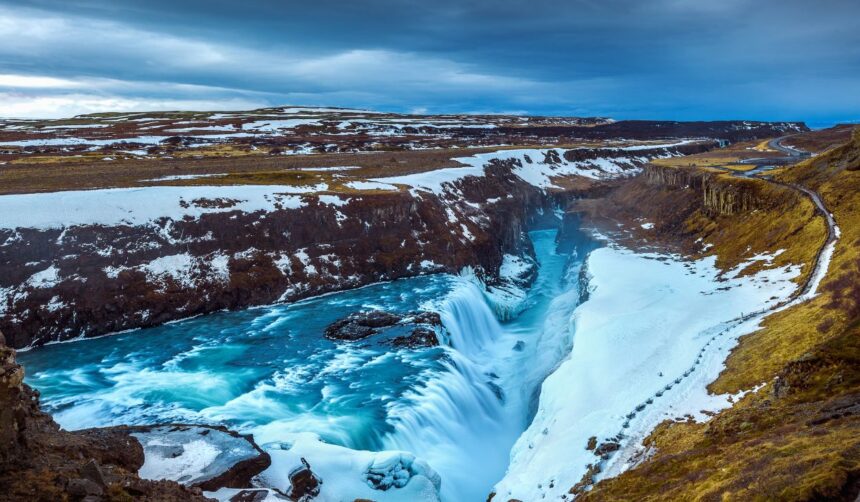
- The Golden Circle: A popular route featuring Þingvellir National Park, Geysir geothermal area, and Gullfoss waterfall.
- Blue Lagoon: A world-famous geothermal spa known for its milky-blue mineral-rich waters.
- Reykjanes Peninsula: Home to volcanic craters, lava fields, and dramatic coastal cliffs.
- Whale Watching Tours: Boats depart regularly from the Old Harbour, offering chances to spot humpback and minke whales.
Food and Culture in Reykjavik
Icelandic cuisine has evolved into a fascinating mix of traditional dishes and modern Nordic influence. Fresh seafood, particularly cod and Arctic char, features heavily on local menus, alongside hearty lamb stews. Reykjavik’s food scene also embraces international flavors, with a growing number of trendy cafes and fine-dining restaurants. Beyond food, the city’s arts scene thrives with museums, live music venues, and a calendar full of festivals celebrating everything from film to folklore.
Where to Stay in Reykjavik
Accommodation options in Reykjavik range from budget hostels to upscale boutique hotels, catering to every type of traveler. The city center is ideal for those who want to be within walking distance of restaurants, shops, and major attractions. For a quieter stay, neighborhoods slightly outside downtown offer more affordable rates while still being a short bus ride away. Many hotels also provide easy access to tour pickups, making exploration beyond the city seamless.
Tips for Traveling to Reykjavik
A little preparation goes a long way when visiting this unique Nordic capital. To make your journey easier and more pleasurable, keep these useful suggestions in mind.
- Pack layers: Weather can change quickly, so dressing in layers helps you stay comfortable throughout the day.
- Book Northern Lights tours in advance: Popular winter tours fill up fast, especially during peak season.
- Rent a car for flexibility: Public transport is limited outside the city, so a rental car makes day trips easier.
- Carry a reusable water bottle: Iceland’s tap water is clean, safe, and some of the best-tasting in the world.
Conclusion
Rakovic iceland offers a rare combination of natural beauty, rich history, and modern charm that few destinations can match. From its colorful streets to the otherworldly landscapes just beyond its borders, the city leaves a lasting impression on every visitor. Whether you’re planning a quick weekend getaway or a longer Icelandic adventure, Reykjavik makes an excellent starting point. Its blend of culture, cuisine, and jaw-dropping scenery ensures there’s something for every kind of traveler.
FAQs About rakovic iceland
Is Reykjavik expensive to visit?
Yes, Reykjavik is known for being one of the pricier European capitals, especially for food and accommodation.
What language do people speak in Reykjavik?
Icelandic is the official language, though most locals speak fluent English.
How many days should I spend in Reykjavik?
Two to three days is enough to explore the city, with extra time recommended for nearby day trips.
Is it possible to see the Northern Lights from Reykjavik?
Yes, the Northern Lights are often visible from the city between September and April on clear nights.
Is Reykjavik safe for tourists?
Reykjavik is consistently ranked among the safest cities in the world for travelers.