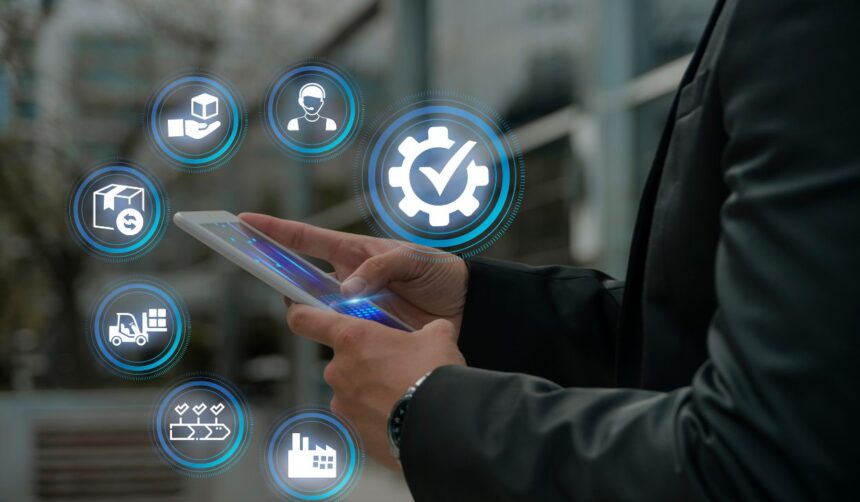
Businesses today are under constant pressure to reduce costs, improve operational efficiency, and maintain complete visibility over their spending. Traditional procurement methods that rely on emails, spreadsheets, paper documents, and manual approvals often create delays, increase administrative work, and make it difficult to control purchasing activities. This is why eprocurement software has become one of the most valuable digital business solutions for organizations of every size. Recent market research indicates that the global procurement software market exceeded USD 8.8 billion in 2025 and is expected to continue growing at nearly 10% annually, driven by cloud technology, AI, and business automation.
The growing demand for digital procurement is not simply about replacing paperwork. Modern procurement platforms help organizations automate purchasing, manage suppliers, monitor budgets, enforce company policies, and generate valuable business insights from spending data. Companies that implement these solutions often experience faster purchasing cycles, better supplier collaboration, and stronger financial control. Whether a business operates in manufacturing, healthcare, retail, education, or technology, investing in the right procurement platform can significantly improve daily operations while supporting long-term growth.
What Is Eprocurement Software?
Eprocurement software is a digital platform that automates the complete purchasing process, from requesting goods and services to supplier management, purchase order creation, invoice processing, and final payment. Instead of relying on manual paperwork and disconnected systems, businesses manage procurement activities through a centralized online platform.
The primary objective is to simplify procurement while increasing transparency and reducing unnecessary expenses. Employees can submit purchase requests electronically, managers can approve them instantly, suppliers receive digital purchase orders, and finance teams can automatically match invoices with purchase orders before making payments. Every transaction is recorded, making reporting and auditing much easier. This centralized approach minimizes human error while giving management real-time visibility into organizational spending.
Definition and Core Purpose
At its core, procurement software is designed to improve purchasing efficiency while ensuring every purchase follows company policies. The software creates standardized workflows that eliminate confusion and reduce approval delays. Instead of different departments following separate purchasing methods, everyone works within the same digital environment.
Many modern platforms also include artificial intelligence that recommends preferred suppliers, identifies duplicate purchases, predicts future demand, and highlights unusual spending behavior. These intelligent capabilities transform procurement from an administrative function into a strategic business process that directly contributes to profitability.
How It Differs from Traditional Procurement
Traditional procurement often depends on printed forms, email approvals, spreadsheets, and manual data entry. This process is slow, prone to mistakes, and difficult to monitor. Missing documents, delayed approvals, and inconsistent supplier information frequently increase operational costs.
Digital procurement eliminates these challenges by automating repetitive tasks. Employees can submit purchase requests online, managers receive instant notifications, suppliers receive automated purchase orders, and finance departments process invoices much faster. Every step is documented electronically, improving compliance while reducing paperwork.
| Feature | Traditional Procurement | Eprocurement Software |
| Purchase Requests | Paper Forms | Digital Forms |
| Approvals | Manual | Automated |
| Supplier Management | Spreadsheets | Centralized Database |
| Reporting | Manual | Real-Time Analytics |
| Invoice Processing | Time-Consuming | Automated Matching |
How Eprocurement Software Works
The procurement process begins when an employee submits a purchase request through the software. Depending on company rules, the request is automatically routed to managers for approval. Once approved, the platform generates a purchase order and sends it directly to the selected supplier.
After goods or services are delivered, invoices are uploaded into the system where automated matching compares purchase orders, invoices, and delivery receipts. If everything matches, payment approval moves forward without unnecessary delays. Throughout this workflow, managers have complete visibility into procurement activities, spending limits, supplier performance, and purchasing trends.
Step-by-Step Procurement Workflow
Most procurement systems follow a structured workflow:
- Purchase request
- Manager approval
- Purchase order generation
- Supplier fulfillment
- Goods receipt
- Invoice verification
- Payment processing
- Reporting and analytics
Automating these steps significantly reduces administrative workload while improving purchasing accuracy.
Integration with ERP and Accounting Systems
Modern procurement platforms integrate seamlessly with Enterprise Resource Planning (ERP), accounting software, inventory systems, and financial applications. This integration eliminates duplicate data entry while ensuring all departments work with consistent information.
Finance teams benefit from automatic expense recording, inventory managers receive updated stock information instantly, and executives gain access to comprehensive procurement reports. Cloud-based deployment now dominates the market because organizations value flexibility, scalability, and remote accessibility.
Key Features of Modern Eprocurement Software
Modern eprocurement software offers a wide range of features that simplify purchasing and improve business efficiency. It includes supplier management; digital catalogs, automated purchase orders, approval workflows, invoice matching, contract management, and spend analytics within one centralized platform. Many cloud-based solutions also support mobile access, allowing managers to approve requests from anywhere. These capabilities reduce manual work, minimize procurement errors, and provide complete visibility into purchasing activities across the organization.
Supplier Management
Supplier management is one of the most valuable functions of procurement software because it keeps all vendor information in one secure location. Businesses can store supplier profiles, contracts, certifications, pricing details, and performance records while easily comparing vendors before making purchasing decisions. Automated communication also improves collaboration by sending purchase orders, delivery updates, and payment notifications instantly. As a result, organizations build stronger supplier relationships and negotiate better pricing over time.
Purchase Order Automation
Manual purchase order creation often causes delays and increases the chance of mistakes, especially in large organizations handling hundreds of transactions daily. Eprocurement software automatically generates purchase orders after approvals, ensuring that every order follows company policies and budget limits. Employees no longer need to prepare paperwork manually, while suppliers receive accurate digital purchase orders within seconds. This automation shortens procurement cycles and improves overall operational efficiency.
Invoice Matching and Payments
Invoice processing becomes much easier when procurement software automatically compares invoices with purchase orders and delivery receipts before payment approval. This process, commonly called three-way matching, helps identify duplicate invoices, pricing differences, or unauthorized purchases before money is released. Finance teams spend less time reviewing paperwork while improving payment accuracy and reducing fraud risks. Faster invoice processing also strengthens supplier trust by ensuring timely payments.
Spend Analytics
Advanced analytics help organizations understand where their money is being spent and identify opportunities for cost reduction. Interactive dashboards display purchasing trends, supplier performance, department expenses, and budget utilization through real-time reports. Managers can quickly identify unnecessary spending, negotiate better contracts, and improve forecasting using historical procurement data. These insights support strategic decision-making instead of relying on assumptions or incomplete financial information.
Benefits of Eprocurement Software
The biggest advantage of eprocurement software is its ability to improve efficiency while reducing procurement costs across the business. Automated workflows eliminate repetitive administrative tasks, improve approval speed, and reduce paperwork significantly. Better visibility into spending allows organizations to control budgets more effectively while maintaining purchasing compliance. Businesses also benefit from improved supplier relationships, enhanced reporting, and stronger financial management, making procurement a strategic business function instead of a routine administrative task.
Cost Savings
Reducing procurement costs is one of the primary reasons companies invest in digital purchasing solutions. Automated purchasing minimizes administrative expenses, reduces duplicate orders, prevents contract violations, and improves supplier negotiations through better spending visibility. Organizations can consolidate purchases, identify preferred vendors, and avoid unnecessary spending that often occurs with manual procurement processes. Over time, these savings contribute directly to increased profitability and operational efficiency.
Improved Compliance
Maintaining procurement compliance is much easier when every purchase follows predefined approval workflows and organizational policies. Digital systems automatically enforce purchasing rules, verify spending limits, and maintain complete audit trails for every transaction. This transparency helps businesses meet internal governance requirements as well as industry regulations without increasing administrative workload. Compliance also reduces financial risks while improving accountability across departments.
Better Supplier Relationships
Strong supplier relationships are essential for consistent product quality, competitive pricing, and reliable delivery schedules. Procurement software improves communication by providing suppliers with clear purchase orders, payment updates, and order tracking information through a centralized platform. Businesses can also evaluate supplier performance using measurable metrics such as delivery times, quality ratings, and pricing consistency. These insights encourage long-term partnerships built on trust and mutual value.
Industries That Benefit Most
Nearly every industry can benefit from eprocurement software, but it is especially valuable in manufacturing, healthcare, retail, construction, education, government, and technology sectors. Organizations that manage multiple suppliers or process high purchasing volumes gain the greatest advantages from automation and centralized procurement management. Digital procurement also supports remote work environments by allowing employees and managers to complete purchasing tasks securely from any location. This flexibility makes procurement more responsive to changing business needs.
Choosing the Right Eprocurement Software
Selecting the right procurement solution requires careful evaluation of business requirements, company size, budget, integration capabilities, and future growth plans. Organizations should prioritize user-friendly interfaces, cloud accessibility, automation features, security standards, reporting tools, and reliable customer support before making a purchasing decision. Scalability is equally important because the software should continue meeting organizational needs as the business expands. Investing in the right platform ensures long-term value rather than requiring costly system replacements later.
Essential Buying Checklist
Before selecting a procurement platform, businesses should evaluate whether it supports automated approvals, supplier management, purchase order automation, invoice matching, ERP integration, spend analytics, mobile accessibility, and strong security features. Customer support, implementation services, pricing transparency, and software scalability should also be carefully reviewed before signing any contract. Comparing multiple vendors through product demonstrations and trial versions helps organizations identify the solution that best fits their operational requirements and long-term procurement strategy.
Future Trends in Eprocurement Software
The future of eprocurement software is being shaped by artificial intelligence, machine learning, predictive analytics, robotic process automation, blockchain technology, and advanced cloud computing. AI-powered procurement assistants are helping businesses forecast demand, recommend suppliers, identify procurement risks, and automate purchasing decisions with greater accuracy. Sustainability reporting and ESG compliance are also becoming important features as organizations focus on responsible sourcing. These innovations will continue making procurement faster, smarter, and more data-driven in the years ahead.
Conclusion
Eprocurement software has become an essential business solution for organizations seeking greater efficiency, stronger financial control, and improved purchasing transparency. By automating procurement workflows, managing suppliers, simplifying approvals, and providing real-time spending insights, businesses can reduce costs while improving operational performance. As digital transformation continues across industries, procurement technology will remain a critical investment for organizations that want to stay competitive, scalable, and prepared for future business challenges. Choosing the right solution today can deliver measurable value for many years to come.
FAQs About eprocurement software
- What is eprocurement software used for?
Eprocurement software is used to automate the purchasing process, including purchase requests, approvals, and supplier management, purchase orders, invoice processing, and payment tracking. It helps businesses reduce manual work, improve spending control, and increase procurement efficiency.
- What are the main benefits of eprocurement software?
The primary benefits include reduced procurement costs, faster purchasing cycles, improved compliance; better supplier relationships, real-time spend visibility, and enhanced reporting. It also minimizes errors by automating repetitive procurement tasks.
- Can small businesses use eprocurement software?
Yes, many cloud-based eprocurement software solutions are designed specifically for small and medium-sized businesses. They offer affordable pricing, easy implementation, and scalable features that grow alongside the business.
- How does eprocurement software improve supplier management?
It centralizes supplier information, tracks vendor performance, stores contracts, automates communication, and enables businesses to compare suppliers based on pricing, quality, and delivery performance. This helps organizations build stronger and more reliable supplier relationships.
- What features should businesses look for in eprocurement software?
Businesses should look for features such as automated approval workflows, supplier management, purchase order automation, invoice matching, spend analytics, ERP integration, mobile accessibility, cloud deployment, reporting dashboards, and strong security to ensure efficient procurement management.