Supplier cost reduction is the process of lowering the overall cost of purchasing goods and services without sacrificing quality, reliability, or supplier performance. It goes beyond simply asking vendors to reduce their prices because the real cost of procurement can include transportation, inventory, defects, administration, delays, and contract expenses. A smart approach looks at the complete supplier relationship and identifies where unnecessary spending can be removed. When businesses understand the difference between a cheaper price and a lower total cost, they can create savings that are more sustainable and beneficial for long-term growth.
Why Supplier Costs Matter
Supplier spending can have a direct influence on profitability, cash flow, and operational efficiency. When purchasing costs increase, businesses may need to raise prices, reduce margins, or absorb higher expenses from their own budgets. Rising transportation costs, changing market conditions, supply disruptions, and increased competition make cost management even more important for modern organizations. Instead of waiting for annual negotiations, procurement teams should continuously review supplier performance, pricing, contracts, and purchasing patterns. A consistent cost-management strategy allows companies to respond quickly when market conditions change and helps ensure that purchasing decisions support broader business goals.
Focus on Total Cost of Ownership
Looking only at the supplier’s quoted price can create a misleading picture of actual spending. Total Cost of Ownership considers the complete financial impact of a purchase, including transportation, storage, quality problems, maintenance, processing, warranty claims, and other related expenses. A supplier offering the lowest unit price may become more expensive if it delivers late or provides inconsistent quality. On the other hand, a slightly more expensive supplier may create greater value through dependable delivery and fewer operational problems. By analyzing total cost, procurement teams can identify the suppliers and purchasing arrangements that provide the strongest overall financial value.
Improve Spend Visibility
Effective cost management starts with understanding exactly where money is being spent. Businesses should analyze purchasing data across departments, suppliers, products, locations, and contracts to identify unnecessary duplication and inconsistent pricing. Different departments may sometimes purchase similar products from different suppliers without realizing that the organization could negotiate better terms by combining its requirements. Spend analysis can reveal unused contracts, duplicate vendors, off-contract purchases, unusual price differences, and categories with significant savings potential. Once procurement teams have clear spending information, they can make decisions based on facts rather than assumptions and approach suppliers with stronger commercial knowledge.
Strengthen Supplier Negotiations
Negotiation remains one of the most practical ways to achieve meaningful procurement savings, but successful negotiation requires preparation. Buyers should understand market prices, historical spending, supplier performance, business requirements, and available alternatives before discussing new terms. Negotiations should also cover more than the basic purchase price because payment terms, delivery schedules, volume discounts, warranties, freight arrangements, and contract conditions can all affect total cost. Instead of simply demanding a discount, procurement teams can ask suppliers where operational savings can be created for both parties. This collaborative approach can produce better results while maintaining a healthy and professional supplier relationship.
Consolidate and Rationalize Suppliers
Managing too many suppliers can increase administrative work and weaken purchasing power. When several vendors provide similar products or services, the organization may be dividing its purchasing volume and missing opportunities for stronger pricing and better commercial terms. Supplier rationalization involves reviewing vendors based on price, quality, capacity, reliability, service, and strategic importance. However, reducing the supplier base should not create unnecessary supply risk, especially for critical products. Businesses should maintain appropriate alternatives where continuity is important while concentrating suitable volumes with dependable suppliers. A balanced supplier portfolio can reduce administrative costs, improve negotiation strength, and make supplier management more efficient.
Standardize Products and Specifications
Unnecessary product variations can quietly increase procurement costs. Different departments may request slightly different products even when a standardized option could meet the same business requirement. Procurement teams can work with technical and operational departments to review specifications and identify areas where standardization is practical. Fewer variations can increase purchasing volumes, simplify inventory management, reduce supplier complexity, and improve competitive sourcing opportunities. The objective is not to remove important technical requirements but to eliminate unnecessary customization. When businesses simplify specifications without affecting performance, they can often reduce costs while making purchasing and supplier management considerably easier.
Use Strategic Sourcing
Strategic sourcing provides a structured way to evaluate suppliers, market conditions, product requirements, and commercial opportunities before making purchasing decisions. Instead of automatically renewing an existing supplier agreement, procurement teams can examine whether alternative vendors could provide better value. Competitive quotations and sourcing events can create useful market pressure when several qualified suppliers are available. However, the cheapest quotation should not automatically win because quality, delivery, service, compliance, and risk also matter. Strategic sourcing works best when procurement evaluates the entire commercial picture and selects suppliers that can provide dependable value rather than simply the lowest initial price.
Build Strong Supplier Relationships
Suppliers can become valuable partners in identifying cost-saving opportunities when businesses communicate openly with them. Vendors often understand production methods, material alternatives, logistics processes, packaging requirements, and operational challenges that buyers may not see. Regular supplier reviews can create opportunities to discuss waste, quality problems, delivery issues, and potential process improvements. Instead of making every conversation about price reductions, procurement teams can ask suppliers how both organizations can remove unnecessary costs. Strong relationships can also encourage suppliers to share new ideas and technologies. When both sides benefit from efficiency improvements, cost savings become easier to achieve without damaging trust or service quality.
Optimize Demand and Inventory
Purchasing more than the business actually needs can create unnecessary costs through excess inventory, storage, handling, and working-capital requirements. Procurement teams should therefore work closely with operations to understand demand patterns, consumption rates, seasonal changes, and supplier lead times. Better forecasting can help organizations order appropriate quantities while avoiding both excessive stock and expensive emergency purchases. Businesses can also negotiate order quantities and delivery schedules that match their actual requirements. Demand management is powerful because it addresses the source of spending rather than only negotiating the price of an existing purchase. Sometimes the most effective saving is reducing unnecessary demand altogether.
Use Technology and Automation
Modern procurement technology can make supplier cost reduction faster, more accurate, and easier to monitor. Digital systems can organize supplier information, purchasing records, contracts, invoices, and performance data in one environment. Artificial intelligence can help identify unusual price changes, duplicate suppliers, contract opportunities, purchasing patterns, and potential savings areas. Automation can also reduce manual administrative work and help procurement professionals spend more time on strategic activities such as negotiations and supplier development. Technology should not replace human judgment, because price differences may have legitimate reasons related to quality or risk. Instead, digital tools should provide better information so procurement teams can make faster and more informed decisions.
Manage Supplier Contracts Carefully
A well-negotiated supplier agreement can lose its value if the business fails to monitor it properly. Procurement teams should track contract expiration dates, pricing clauses, rebates, volume commitments, service levels, payment conditions, and agreed performance requirements. Regular contract reviews can reveal opportunities to renegotiate outdated terms or correct pricing that no longer matches the agreement. Businesses should also compare actual purchasing activity with negotiated conditions to ensure employees are receiving the benefits that procurement secured. Contract compliance is especially important because even small pricing differences can become significant when repeated across thousands of transactions. Effective contract management turns negotiated savings into measurable and lasting financial results.
Measure Procurement Savings
Every cost-saving initiative should have a clear baseline, target, owner, and measurement process. Procurement teams need to distinguish genuine savings from cost avoidance, temporary discounts, and changes caused by reduced purchasing volume. Comparing supplier prices alone may not provide an accurate picture if product specifications, quantities, delivery conditions, or market prices have changed. Businesses should therefore measure savings against consistent purchasing conditions and monitor results after implementation. Regular reporting can show whether savings are continuing or whether costs are gradually increasing again. Strong measurement also helps procurement demonstrate its financial contribution to senior management and identify which strategies are producing the greatest value.
Avoid Common Cost-Reduction Mistakes
Aggressive cost cutting can sometimes create greater expenses when it ignores quality, supply continuity, and supplier stability. Forcing a supplier to accept unrealistic prices may result in lower service levels, reduced quality, delayed deliveries, or financial difficulties. Switching vendors simply because another company offers a lower quotation can also create qualification costs, transition problems, and operational disruption. Another common mistake is negotiating excellent terms but failing to control off-contract purchasing afterward. Successful cost reduction requires a balanced approach that considers price, quality, risk, performance, and long-term value. The best savings are those that remain beneficial months after the original negotiation has ended.
Create a Sustainable Cost-Reduction Strategy
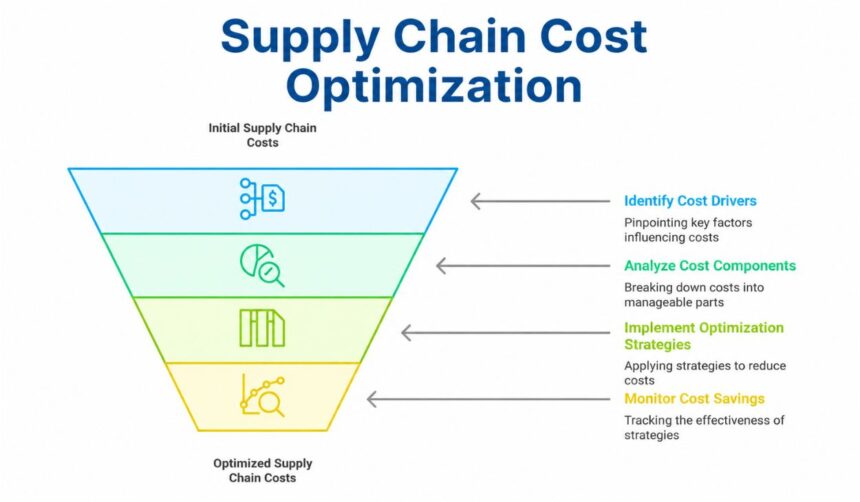
A successful supplier cost reduction program should be continuous rather than a one-time project. Businesses can begin by analyzing spending, identifying their largest cost categories, calculating total ownership costs, reviewing supplier performance, and prioritizing the areas with the greatest potential. Procurement teams should then develop category-specific strategies involving negotiation, sourcing, standardization, supplier consolidation, demand management, or process improvement. Each initiative should have measurable objectives and regular follow-up so that results do not disappear over time. Collaboration between procurement, finance, operations, logistics, and suppliers can make these initiatives more effective. When cost reduction becomes part of everyday procurement management, organizations can steadily improve margins while maintaining strong supplier relationships.
Conclusion
Supplier cost reduction is most effective when businesses look beyond the price shown on a supplier quotation and examine the complete cost of purchasing. Spend visibility, total cost analysis, strategic sourcing, supplier collaboration, demand management, technology, contract control, and performance measurement can work together to create meaningful savings. The objective should never be to reduce prices at any cost because poor-quality products, delayed deliveries, and supply disruptions can quickly eliminate apparent savings. A smarter approach removes waste while protecting the quality and reliability the business depends on. By treating suppliers as strategic partners and continuously reviewing purchasing processes, organizations can build a more efficient procurement function that supports stronger margins, healthier cash flow, and sustainable long-term growth.
FAQs About supplier cost reduction
- What is the main goal of supplier cost reduction?
The main goal is to reduce the total cost of purchasing while maintaining acceptable quality, service, reliability, and supply continuity. It can involve better negotiations, supplier consolidation, standardization, demand management, logistics improvements, and contract optimization. The strongest strategies focus on creating sustainable savings rather than achieving a temporary price discount.
- How can businesses reduce supplier costs without reducing quality?
Businesses can focus on removing operational waste instead of simply demanding lower prices. Improving forecasts, simplifying unnecessary specifications, consolidating deliveries, reducing administrative work, and collaborating with suppliers can create savings without lowering product or service standards. Supplier performance should always be monitored alongside financial results.
- Why is Total Cost of Ownership important?
Total Cost of Ownership shows the complete financial impact of purchasing a product or service. It can include the purchase price, transportation, storage, quality issues, maintenance, administration, and other related expenses. This helps businesses avoid choosing a supplier that appears cheap but creates higher costs elsewhere.
- Can technology improve supplier cost reduction?
Yes, procurement technology can provide better visibility into spending, contracts, supplier performance, and purchasing patterns. Automation and AI can identify unusual prices, duplicate suppliers, contract opportunities, and potential savings more quickly than manual analysis. Human expertise remains important for interpreting the information and making final commercial decisions.
- How should procurement teams track savings?
Procurement teams should establish a clear baseline before beginning an initiative and then measure actual results against that baseline. They should track direct savings, cost avoidance, contract compliance, supplier performance, and total cost changes separately. Regular reviews help ensure that negotiated savings continue to appear in real purchasing activity.