Ants in kitchen areas are one of the most common household problems faced by homeowners around the world. These tiny insects are constantly searching for food, water, and shelter, making kitchens one of their favorite destinations. Even a few crumbs left on the countertop can attract a line of ants within hours. Once scout ants discover a reliable food source, they leave scent trails that guide other ants directly to the location. This is why a small ant problem can quickly turn into a large infestation if ignored. Understanding what attracts ants is the first step toward controlling and preventing them from becoming a recurring issue in your home.
Food Sources That Attract Ants
Food is the primary reason ants enter kitchens. Sweet substances such as sugar, honey, syrup, and fruit are especially attractive to many ant species. However, ants are not limited to sugary foods alone. They can also be drawn to grease, pet food, bread crumbs, and even food residue left on dishes in the sink. Improperly sealed containers and overflowing trash bins provide easy access to meals for these persistent insects. By identifying and removing food sources, homeowners can significantly reduce the likelihood of attracting ants into their kitchens.
Moisture and Water Availability
Water is just as important to ants as food. Kitchens often provide multiple moisture sources, including leaking faucets, damp sponges, wet dishcloths, and condensation around pipes. During hot weather, ants actively seek water to support their colonies. Even small amounts of standing water can attract them. Moist environments also create ideal conditions for ant nesting nearby. Keeping kitchen surfaces dry and repairing leaks promptly can make the area much less appealing to ants searching for hydration.
Common Types of Ants Found in Kitchens
Different ant species may invade kitchens for different reasons. Identifying the type of ant can help determine the most effective control strategy. While many species are harmless, some can cause structural damage or become difficult to eliminate once established indoors.
Sugar Ants
Sugar ants in kitchen are among the most common kitchen invaders. As their name suggests, they are highly attracted to sweet foods and beverages. These ants often travel in visible trails between their nest and food source. Homeowners frequently notice them near sugar containers, fruit bowls, soft drink spills, and dessert crumbs. Because sugar ants reproduce rapidly, it is important to address the infestation as soon as possible. Maintaining a clean kitchen and eliminating food residues can greatly reduce their presence.
Carpenter Ants
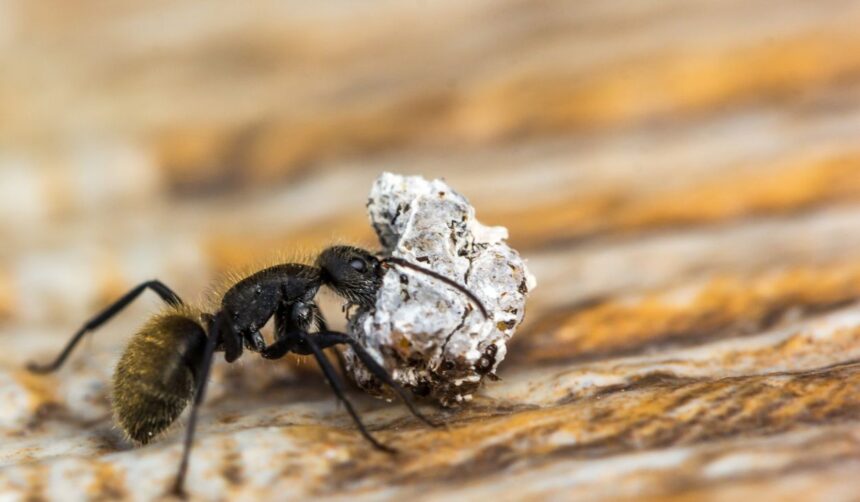
Carpenter ants are larger than most household ants and can be more concerning. Unlike termites, they do not eat wood, but they excavate it to build nests. Kitchens with moisture problems can attract carpenter ants because damp wood is easier for them to tunnel through. Their presence may indicate hidden water damage within walls, cabinets, or flooring. If carpenter ants are found indoors regularly, homeowners should investigate potential moisture issues and consider professional assistance to prevent structural damage.
Signs of an Ant Infestation
Recognizing the early signs of an ant infestation allow homeowners to take action before the problem becomes severe. Ant colonies can grow quickly, making early detection an important part of pest management.
Visible Ant Trails
One of the clearest signs of ants in kitchen spaces is the appearance of ant trails. Ants communicate through pheromone trails that direct colony members to food sources. These trails often appear along countertops, walls, windowsills, and floors. Following the trail can sometimes help locate the entry point or nesting area. If trails are consistently observed, it usually indicates that a nearby colony has established a reliable route into the kitchen.
Hidden Nesting Areas
Not all ant activity is immediately visible. Colonies may establish nests behind appliances, inside wall voids, under flooring, or near plumbing fixtures. Signs of hidden nesting areas can include small piles of debris, rustling sounds within walls, or repeated sightings of ants despite cleaning efforts. Hidden nests are often responsible for recurring infestations. Locating and addressing these nesting sites is essential for achieving long-term control.
Health and Hygiene Concerns
Although ants are not generally considered dangerous, their presence can raise important health and sanitation concerns. A kitchen should remain a clean environment where food preparation occurs safely.
Food Contamination Risks
Ants in kitchen travel through various environments before entering kitchens, including garbage areas, drains, soil, and outdoor surfaces. As they move across food preparation areas and stored foods, they may carry bacteria and contaminants. While the risk is relatively low compared to some pests, food contaminated by ants is generally considered unsuitable for consumption. Protecting food in airtight containers and maintaining sanitary conditions helps minimize contamination risks.
Impact on Household Cleanliness
An ant infestation can negatively affect the overall cleanliness of a home. Seeing ants crawling across counters, cabinets, and food storage areas creates discomfort and frustration for many homeowners. Frequent infestations may also require repeated cleaning and monitoring efforts. Maintaining a hygienic kitchen not only discourages ants but also contributes to a healthier living environment for the entire household.
Natural Ways to Get Rid of Ants in Kitchen
Many homeowners prefer natural solutions before turning to chemical treatments. Several household ingredients can help disrupt ant activity while remaining safe for families and pets when used appropriately.
Vinegar Solution Method
White vinegar is one of the most popular natural remedies for ants in kitchen areas. Mixing equal parts vinegar and water creates a solution that can be sprayed directly onto ant trails and entry points. The strong scent disrupts pheromone trails, making it difficult for ants to navigate. Regular application on countertops, floors, and windowsills can reduce ant activity significantly. Vinegar also helps clean surfaces, providing a dual-purpose solution for pest prevention.
Lemon and Essential Oils
Lemon juice and certain essential oils, such as peppermint, tea tree, and eucalyptus, are known for their ant-repelling properties. These natural substances produce strong scents that interfere with ants’ ability to communicate and locate food sources. Applying diluted solutions around doors, windows, and cracks can create barriers that discourage entry. Many homeowners appreciate these methods because they leave behind a fresh scent while helping to keep pests away naturally.
Chemical Solutions for Ant Control
When natural methods are insufficient, chemical treatments may provide faster and more comprehensive results. Selecting the appropriate product depends on the severity of the infestation and the ant species involved.
Ant Baits
Ant baits are often considered one of the most effective solutions for controlling ant colonies. Worker ants carry bait back to the nest, where it is shared with other colony members, including the queen. This approach targets the colony at its source rather than simply killing visible ants. Patience is important because bait systems may take several days or weeks to achieve full effectiveness. Consistent placement and monitoring improve overall success.
Insecticide Sprays
Insecticide sprays provide immediate results by killing ants on contact. They are useful for treating visible trails, entry points, and localized infestations. However, sprays alone may not eliminate the colony, especially if the nest remains hidden. Combining sprays with bait systems often produces better outcomes. Homeowners should always follow label instructions carefully and keep treated areas away from children and pets.
Preventing Future Ant Infestations
Long-term prevention is the most effective strategy for dealing with ants in kitchen environments. Consistent habits and routine maintenance can significantly reduce the chances of future invasions.
Kitchen Cleaning Habits
Maintaining a clean kitchen removes many of the resources that attract ants. Important habits include:
- Wiping countertops daily to remove crumbs and spills.
- Sweeping and mopping floors regularly.
- Storing food in airtight containers.
- Emptying trash bins frequently.
- Cleaning pet feeding areas after meals.
These simple practices make the kitchen far less attractive to foraging ants and other household pests.
Sealing Entry Points
Ants can enter through surprisingly small gaps and cracks. Inspecting doors, windows, plumbing penetrations and foundation cracks help identify potential entry routes. Sealing these openings with caulk or weather stripping creates a physical barrier that limits access. Combined with proper sanitation, exclusion techniques form a strong defense against future infestations.
When to Call Professional Pest Control
Some ant infestations persist despite repeated cleaning and treatment efforts. Large colonies, carpenter ant activity, or recurring infestations may require professional intervention. Pest control specialists have access to advanced treatment methods and can identify hidden nesting sites that homeowners may overlook. Professional inspections also help detect underlying issues such as moisture problems or structural vulnerabilities contributing to the infestation. Seeking expert assistance can save time, reduce frustration, and provide long-lasting results when home remedies fail.
Conclusion
Dealing with ants in kitchen spaces can be frustrating, but understanding why ants are attracted to your home makes prevention and control much easier. Food residues, moisture sources, and accessible entry points create ideal conditions for ant activity. Combining proper sanitation, natural deterrents, targeted treatments, and preventive maintenance offers the best chance of eliminating infestations and keeping them from returning. By taking proactive steps and addressing problems early, homeowners can maintain a cleaner, healthier, and ant-free kitchen environment throughout the year.
FAQs About ants in kitchen
- Why do ants suddenly appear in my kitchen?
Ants usually appear when they discover accessible food, water, or shelter inside your kitchen.
- Does vinegar permanently get rid of ants?
Vinegar disrupts ant trails but does not permanently eliminate the entire colony.
- Are ants in the kitchen harmful?
They can contaminate food and create sanitation concerns, although most species are not dangerous.
- What is the fastest way to remove ants from a kitchen?
Using ant baits along with proper cleaning is often the most effective long-term solution.
- How can I stop ants from coming back?
Keep the kitchen clean, eliminate moisture sources, and seal all possible entry points.