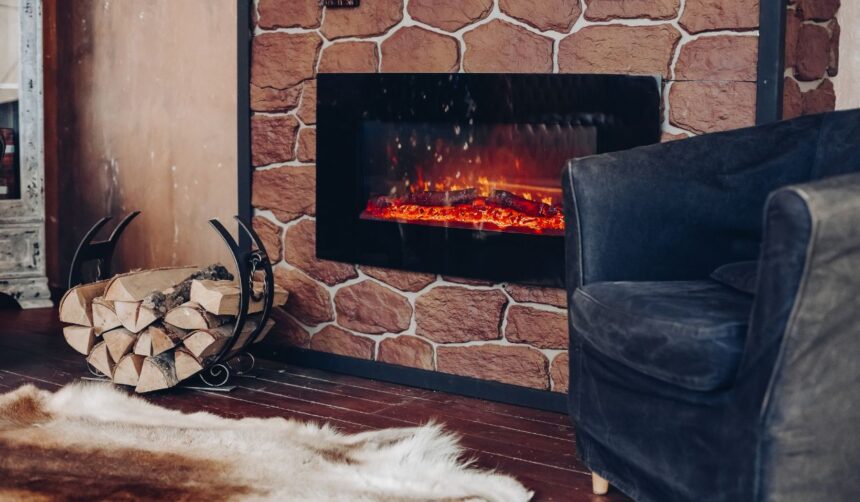
A fireplace has always been a symbol of warmth, comfort, and togetherness, but not every home is built with a chimney. Fortunately, zimmerkamine provide a modern solution for homeowners and renters who want to enjoy the beauty of a fireplace without major construction work. These indoor fireplaces combine elegant design with practical heating, making them suitable for apartments, family homes, and contemporary living spaces. Whether you are looking for realistic flames, energy-efficient heating, or a stylish centerpiece for your room, understanding the different types and features of zimmerkamine will help you make the right decision.
What Are Zimmerkamine?
The term zimmerkamine comes from the German words Zimmer (room) and Kamin (fireplace), meaning an indoor room fireplace. Unlike traditional fireplaces that require a chimney and permanent installation, modern zimmerkamine are available in several designs that fit different lifestyles and home layouts. Many models can be installed quickly with little or no structural changes, making them a practical option for both homeowners and tenants. Besides providing warmth, they also enhance the overall appearance of a room and create a relaxing atmosphere.
Why Are Zimmerkamine Becoming Popular?
The popularity of zimmerkamine continues to grow because people want heating solutions that combine efficiency with attractive interior design. Modern homeowners appreciate products that save space, reduce installation costs, and provide flexibility without sacrificing comfort. These fireplaces create a cozy environment during cold weather while serving as an eye-catching decorative feature throughout the year. Their wide range of styles and fuel options makes them suitable for traditional homes as well as modern apartments.
Different Types of Zimmerkamine
Several types of zimmerkamine are available, and each offers unique advantages depending on your needs and budget. Bioethanol fireplaces create real flames without requiring a chimney, while electric models offer maximum safety and easy installation. Water vapour fireplaces produce highly realistic flame effects using LED lights and fine mist, whereas gel fireplaces provide a convenient fuel system with minimal mess. Pellet and wood-burning fireplaces remain excellent choices for homeowners who want stronger heating performance and the authentic experience of a traditional fire.
Benefits of Choosing Zimmerkamine
One of the biggest advantages of zimmerkamine is their ability to deliver warmth and style without complicated construction work. Many models are portable or wall-mounted, allowing homeowners to redesign their living spaces with ease. They also require less maintenance than traditional fireplaces and are available in designs that complement both classic and modern interiors. Some advanced models even include remote controls, programmable settings, and smart home compatibility for greater convenience.
Zimmerkamine vs Traditional Fireplaces
Traditional fireplaces offer timeless charm, but they often require expensive installation, regular chimney cleaning, and significant maintenance. In comparison, zimmerkamine are easier to install, more energy-efficient, and available in options that do not require a chimney at all. Electric and water vapour models are especially attractive for families because they eliminate the risks associated with open flames. While wood-burning fireplaces remain popular for their authentic atmosphere, modern alternatives provide greater flexibility for today’s lifestyles.
Installation and Running Costs
The overall cost of installing zimmerkamine depends on the type you choose and the complexity of the project. Electric fireplaces are generally the most affordable because they simply require access to a power outlet, while bioethanol models also involve minimal installation work. Gas and wood-burning fireplaces often require professional installation, ventilation systems, or chimney construction, increasing the total investment. Running costs vary according to fuel prices, electricity rates, and usage, making it important to consider long-term operating expenses before purchasing.
Energy Efficiency and Heating Performance
Modern zimmerkamine are designed to provide better energy efficiency than many traditional fireplaces. Electric fireplaces convert nearly all the electricity they consume into usable heat, making them highly efficient for smaller rooms. Gas fireplaces provide consistent heating while minimizing fuel waste, and pellet fireplaces offer impressive efficiency for larger homes. Bioethanol models are best suited for supplemental heating because they prioritize visual appeal alongside moderate heat output.
Safety Tips for Everyday Use
Safe operation should always be a priority when using zimmerkamine, regardless of the fuel type. Bioethanol fireplaces should only be refilled after they have completely cooled, while adequate ventilation helps maintain healthy indoor air quality. Wood-burning and pellet fireplaces require regular chimney inspections to reduce fire risks, and gas models should be checked periodically for leaks or burner issues. Families with children or pets should consider electric or water vapour fireplaces because they significantly reduce the risk of accidental burns.
Maintenance Requirements
Proper maintenance keeps zimmerkamine operating safely and efficiently for many years. Electric fireplaces require only occasional dusting and glass cleaning because there is no combustion involved. Bioethanol units should be cleaned regularly and refilled carefully according to the manufacturer’s recommendations, while gas fireplaces benefit from routine inspections of burners and fuel connections. Wood-burning and pellet fireplaces demand more attention through ash removal, chimney cleaning, and annual professional servicing.
Choosing the Right Zimmerkamine
Selecting the best zimmerkamine depends on several important factors, including room size, budget, heating needs, and interior design preferences. Homeowners seeking realistic flames without extensive maintenance often choose bioethanol or water vapour models, while electric fireplaces are ideal for apartments and rental properties. Those looking for powerful heating may prefer pellet or wood-burning units despite their higher installation requirements. Comparing long-term operating costs and maintenance needs helps ensure a smart investment.
Conclusion
Modern zimmerkamine successfully combine comfort, efficiency, and beautiful design, making them one of the most versatile heating solutions available today. Whether you prefer the authentic appearance of real flames or the convenience of electric technology, there is a fireplace suitable for almost every home and lifestyle. By understanding the different types, installation costs, maintenance requirements, and safety considerations, you can confidently choose a model that delivers lasting warmth and visual appeal. With the right selection, a zimmerkamine becomes more than just a heating appliance it becomes the heart of your living space.
FAQs About zimmerkamine
Do zimmerkamine require a chimney?
No, electric, bioethanol, and water vapour zimmerkamine do not require a chimney.
Which type of zimmerkamine is the safest?
Electric and water vapour models are generally considered the safest for homes with children and pets.
Can a zimmerkamine heat an entire room?
Yes, many electric, gas, and pellet models can effectively heat small to medium-sized rooms.
Are bioethanol fireplaces environmentally friendly?
Bioethanol fireplaces burn clean fuel with minimal smoke, ash, and soot, making them a cleaner alternative to traditional wood fires.
How often should a zimmerkamine be maintained?
Maintenance depends on the fireplace type, but regular cleaning and annual inspections help ensure safe and efficient performance.