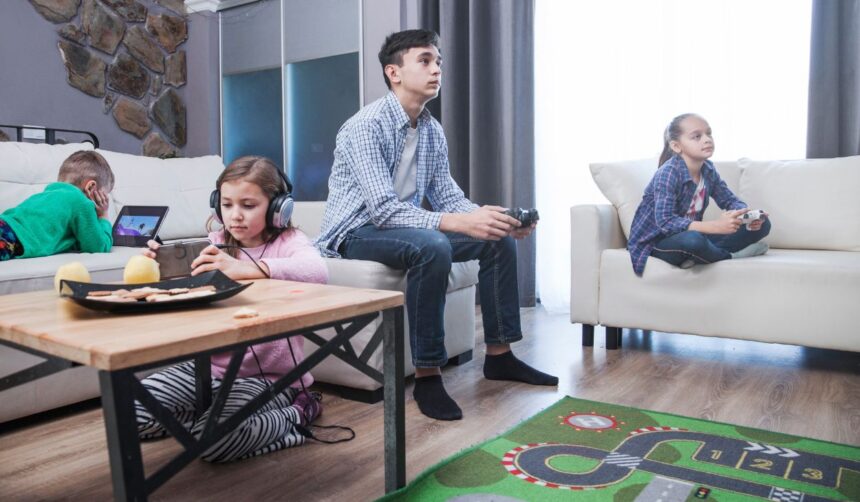
The world of in video-games playbattlesquare is not only about pressing buttons faster than everyone else. Strong players develop good habits through gaming, practice, and a deep understanding of competitive gameplay. Every match becomes easier when players understand battle spaces, improve their strategy, and focus on long-term player improvement rather than short-term excitement. I have noticed that many new players spend weeks trying to improve their speed while ignoring the importance of game awareness, battle mechanics, and proper gameplay planning. The players who improve the fastest usually spend more time learning and less time guessing.
Understanding the in video-games playbattlesquare Environment
Every successful player learns how a battle environment works before trying advanced moves. Knowledge of maps, arenas, enemy positions, and possible danger zones creates a huge advantage during matches. Players who understand safe corners, high ground, narrow paths, open spaces, health spots, item spots, and escape routes make better choices under pressure. During my own gaming sessions, I discovered that learning one map carefully often improved my results more than changing settings or buying new equipment. Good positioning always beats random movement.
Learning Controls before Chasing Victories
Many beginners jump into battles without mastering the basic controls. Successful players become comfortable with every action including move, jump, and aim, defend, reload, switch items, use abilities, and access the map quickly. Spending time inside training mode creates valuable muscle memory and removes hesitation during stressful moments. A player who reacts naturally with the correct button often defeats an opponent with faster reactions but poor preparation. Strong foundations support every future improvement.
Playing for Objectives Instead of Statistics
Modern games reward players who understand the real game objective. Some matches require players to defeat enemies, while others ask teams to capture points, protect base, collect items, or simply survive until the timer ends. Many players become distracted by eliminations and forget the actual goal of the match. Winning usually comes from teamwork and objective control rather than personal records. Smart players constantly ask themselves whether their next action helps the team achieve victory.
Choosing Tools That Match Your Skill Level
The choice of characters, weapons, gear, and loadouts can change the entire experience. New players often select difficult equipment because it looks impressive, while experienced players prefer consistency and reliability. A simple balanced weapon usually provides better results than complicated setups designed for professionals. Over time, players can experiment with more advanced choices and specialized strategies. Learning becomes easier when the equipment supports improvement instead of creating frustration.
Movement Creates Survival
Excellent movement practice separates average players from strong competitors. Standing still creates an easy target while uncontrolled movement creates mistakes. Players improve by learning when to dodge, when to push forward, and when to retreat. Every battle should include quick health checks, awareness of nearby allies, and an understanding of possible escape options. Smart decisions often win battles even when mechanical skill remains average. Good movement feels like a conversation between risk and opportunity.
Learning from Others Accelerates Growth
Watching skilled players offers valuable lessons that cannot always be learned alone. Many beginners watch only spectacular highlights, but complete matches teach more useful skills such as pressure handling, managing difficult rounds, and recovering after errors. Careful observation improves timing understanding, map control, and decision-making. Every expert player once struggled with the same problems that beginners face today. Learning from their experiences saves time and reduces frustration.
Mistakes Are Hidden Lessons
Improvement becomes faster when players review their own mistakes review after every session. Sometimes the problem comes from poor map awareness, weak aiming practice, or unnecessary aggression. Other times players lose because they ignored teammates or attacked without preparation. I personally improved after focusing on only one weakness each week instead of trying to fix everything at once. Small changes create large improvements over time.
The Power of Teamwork
In multiplayer games, teamwork often defeats individual talent. Effective teams rely on communication, support, and constant sharing of information. Good players stay close enough to provide assistance while avoiding unnecessary risks. Strong team-based games reward cooperation, patience, and intelligent movement. The best teammate is not always the player with the highest score but often the player who makes everyone around them stronger.
Using Cover and Awareness
Professional players rarely stay exposed in dangerous areas. They constantly use walls, objects, corners, and buildings for protection against enemy attacks. They maintain active camera movement and keep their active aim focused on possible threats. Checking side paths, scanning likely enemy spots, and maintaining strong gameplay awareness prevents surprise attacks. Defensive habits create more victories than aggressive mistakes.
Avoiding Common Errors
Many defeats happen because players repeat the same habits every day. Common problems include excessive rushing, poor planning, ignoring position checks, and forgetting teammate awareness. Some beginners copy advanced players without understanding the reasons behind their decisions. Others ignore important defensive skills such as blocking, dodging, hiding, and controlled retreating. Successful improvement requires patience rather than shortcuts.
Settings and Mental Performance Matter
Frequent changes to sensitivity, controls adjustment, and different loadouts often slow progress. Players need time to adapt before judging whether a setup works correctly. Long sessions can also lead to tired decisions, frustration, and lower concentration. Taking regular breaks improves focus and supports mental freshness. A clear mind often performs better than a tired one.
Small Improvements Create Big Results
Many players expect immediate success, but battle-style games reward consistency. Better survival time, stronger teammate support, improved positioning, and fewer mistakes represent important progress. Success comes from improving aiming, developing better map knowledge, refining timing, and practicing patience. Every match teaches valuable lessons when players remain willing to learn.
Using PlayBattleSquare Learning Methods
The best gaming guides, blogs, and battle-focused resources become valuable only when players apply the information inside real games. One useful approach involves selecting a single skill such as movement, reading a short guide, and testing the lesson during three matches. Players can then monitor their progress through careful improvement tracking and repeat the process with another topic. This method transforms information into practical experience and supports long-term gameplay development.
Healthy Gaming for New Players
For younger players and complete beginners, balance remains important. Gaming should exist alongside school, work, sleep, and personal responsibilities. Setting sensible time limits, taking regular breaks, and choosing age-appropriate games create a healthier experience. Players should also avoid toxic chat and remain cautious about unsafe online behavior. Games should create enjoyment rather than stress.
Building Long-Term Confidence
The journey inside in video-games playbattlesquare rewards patience, learning, and consistency. Success rarely arrives overnight, but every lesson improves future performance. Strong players combine learning, planning, practicing, and smart choices with confidence and discipline. The combination of preparation and experience creates stronger results than speed alone. The real goal is not simply winning one match but becoming a smarter player in every battle.
Conclusion
The idea behind in video-games playbattlesquare goes far beyond simple wins and losses. Players improve when they understand strategy, develop stronger game awareness, and make smarter choices inside different battle spaces and competitive gameplay situations. Learning the maps, improving movement, choosing the right weapons, and supporting teammates creates steady progress over time. Every match becomes a learning opportunity when players focus on player improvement, teamwork, and better decision-making. Success in gaming rarely comes from speed alone because patience, preparation, and consistent practice build stronger results in the long run.
FAQs About in video-games playbattlesquare
- What is in video-games playbattlesquare and why is it important?
In video-games playbattlesquare refers to learning how to perform better in battle-style games through smarter strategy, improved timing, and stronger gameplay planning. It helps players make better decisions during matches instead of relying only on quick reactions.
- Can beginners use PlayBattleSquare learning methods?
Yes, beginners can easily benefit from gaming guides, battle-focused resources, and practical training methods. Starting with basic controls, simple loadouts, and easy movement practice helps new players improve faster.
- Which skill should players improve first?
Most players should begin with map awareness, positioning, and understanding the game objective. These skills create a strong foundation before moving toward advanced aiming practice or difficult strategies.
- Why do many players struggle in competitive matches?
Many players struggle because of unnecessary rushing; poor teamwork, weak communication, and ignoring cover or escape routes. Small mistakes repeated many times often cause more losses than poor aiming.
- How can players continue improving over time?
Players improve by reviewing mistakes, studying skilled players, using proper practice, and focusing on one skill at a time. Consistency and patience usually produce better results than long sessions without direction.