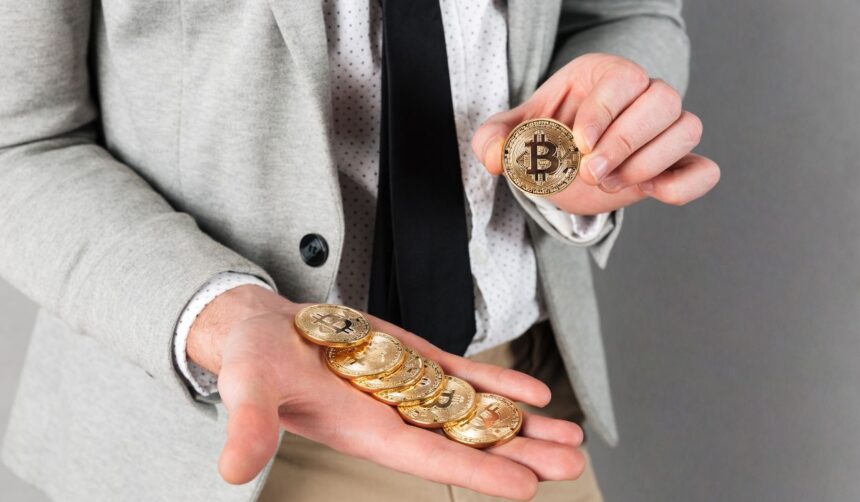
The rise of cryptocurrency has changed the way people think about money, ownership, and online investing. The fintechzoom.com crypto wallet discussion often appears among investors who want secure access to digital assets, better asset management, and easier interaction with the growing blockchain ecosystem. Unlike a traditional bank account, a cryptocurrency wallet acts as a secure gateway to blockchain networks by managing cryptographic keys, private keys, and public addresses that prove ownership of coins and tokens. Many novice investors believe that a wallet holds coins directly, but in practice, this is not the case because assets are kept on the public ledger while the wallet manages access through unique credentials and ownership verification systems.
Modern users expect much more than simple storage. Today’s wallets combine portfolio tracking, transaction history, market tracking, balance updates, and asset performance monitoring in one place. Investors now manage Bitcoin, Ethereum, Solana, and many other digital tokens without switching between different services. The demand for multi-chain support, cross-chain compatibility, multi-currency support, and exchange integration continues to grow because people want convenience without sacrificing security. This demand explains why educational platforms and financial websites continue discussing the fintechzoom.com crypto wallet and similar solutions.
How Crypto Wallet Technology Works
Every wallet relies on two important components: the public address and the private key. A The private key functions as a secret code that regulates ownership, and the Bitcoin address may start with 1, 3, or bc1. Most modern wallets use a 256-bit number and advanced encryption to secure access to funds. The wallet signs transactions using a digital signature, and the network performs network verification before adding the information to the blockchain ledger.
Many investors now prefer self-custody because they want direct ownership of their holdings instead of depending entirely on centralized companies. This shift has increased interest in non-custodial wallets, although custodial wallets still attract beginners because they simplify the learning process. Investors who understand private key ownership often appreciate the extra responsibility because it gives them complete control over transfers and storage decisions.
The Difference between Hot and Cold Storage
The conversation about wallet security usually starts with hot wallets and cold wallets. A hot wallet remains connected to the internet and offers quick access for daily transactions, while a cold wallet keeps assets in offline storage through air-gapped storage and physical separation from online threats. Active traders often prefer connected wallets because they support real-time execution, while long-term investors value the protection offered by physical isolation and offline systems.
Many experienced investors use a mixed strategy. They keep operational funds inside connected wallets and move larger holdings into cold storage solutions for value preservation. This approach reduces online exposure, lowers risk, and creates stronger protection against cyber threats. Institutional investors have adopted this strategy as institutional adoption continues to increase across the cryptocurrency industry.
Features That Define Modern Wallets
Today’s wallets offer many more than sending and receiving coins. Users can access decentralized applications, connect with dApps, participate in staking, explore NFT marketplaces, and interact with DeFi protocols directly from the wallet interface. Features such as NFT management, staking rewards, token swaps, and access to decentralized exchanges have become standard expectations.
Many users also appreciate built-in exchange services, gas fee monitoring, and integrated TradingView charts that simplify decision making. A good wallet provides a user-friendly interface, smooth transaction management, and support for both mobile environments and desktop environments. These improvements allow beginners and advanced traders to operate comfortably in the expanding Web3 world.
Security Practices Every Investor Should Follow
Security remains the most important part of cryptocurrency ownership. The loss of a private key or recovery phrase can result in permanent loss of assets because blockchain systems do not provide password reset options. Most wallets generate a 12-word recovery phrase or a 24-word recovery phrase during setup. Investors should create a paper backup, store it in a secure location, and avoid using screenshots, email drafts, or cloud storage.
Users should activate two-factor authentication, multi-factor authentication, and biometric verification whenever possible. Strong passwords, regular software updates, and quick installation of security patches help protect accounts from new vulnerabilities. Security experts also encourage users to verify every wallet address carefully because irreversible transactions cannot be reversed after confirmation.
The Growing Threat of Cybercrime
The biggest danger facing wallet users in 2026 comes from phishing attacks, fraudulent applications, fake websites, and malicious browser extensions. Cybercriminals often imitate legitimate services to steal credentials and recovery phrases. Investors should always use verified URLs, install applications from an official source, and avoid suspicious links shared through email or social media.
A growing number of wallets now include phishing protection, transaction verification, behavioral analytics, and AI fraud detection systems. These technologies monitor unusual activity and improve account protection without reducing convenience. Artificial intelligence has become an important tool in identifying suspicious transfers and protecting investors from emerging scams.
Popular Wallet Solutions in the Market
Several wallet providers dominate the market today. Exodus attracts beginners because of its simple interface, price alerts, portfolio tracking, and support for more than 250 cryptocurrencies. Trust Wallet appeals to active traders because of its access to DEX platforms, support for supported blockchains, and advanced NFT display features. Investors who prioritize security often choose the Ledger Nano X, which offers Bluetooth connectivity, a secure element chip, and support for more than 1800 assets.
Hardware devices continue gaining popularity because they protect against both physical attacks and remote attacks. Long-term holders often trust hardware solutions for large balances while maintaining software wallets for everyday transactions and spending.
Emerging Trends Shaping Wallet Development
The cryptocurrency industry changes rapidly, and wallet technology evolves alongside it. Investors now expect cross-chain interoperability, broad asset compatibility, and stronger support for multiple networks inside a single application. Financial organizations entering the digital asset market have accelerated demand for compliance features, better security standards, and improved interfaces.
The industry has also seen greater interest in regulatory frameworks, stronger protections for consumers, and wider mainstream adoption. Many experts believe that blockchain integration with traditional finance will continue growing as more companies adopt digital payments and tokenized assets. This environment creates opportunities for wallet developers to innovate while maintaining trust and transparency.
Conclusion
The growing interest in the fintechzoom.com crypto wallet reflects a larger trend toward digital ownership, crypto investing, and independent control over financial assets. Investors no longer want simple storage tools; they expect education, convenience, security, and access to the wider blockchain economy. Understanding wallet security, private key management, and responsible online behavior remains essential regardless of the platform someone chooses.
The future of cryptocurrency belongs to informed investors who combine technology with smart habits. Strong security practices, careful research, and awareness of evolving threats help protect investments and support long-term success in the digital economy.
FAQs About fintechzoom.com crypto wallet
1: What is the Fintechzoom.com crypto wallet?
The fintechzoom.com crypto wallet refers to discussions and information surrounding cryptocurrency wallets that help users manage private keys and access digital assets on blockchain networks.
2: Is the Fintechzoom.com crypto wallet safe to use?
Wallet security depends on encryption, private key protection, recovery phrase management, and user security practices such as enabling two-factor authentication.
3: Can I store multiple cryptocurrencies in the Fintechzoom.com crypto wallet?
Most modern crypto wallets support multiple cryptocurrencies, including Bitcoin, Ethereum, Solana, and many other digital assets within a single interface.
4: What is the difference between hot wallets and cold wallets?
Hot wallets stay connected to the internet for quick transactions, while cold wallets keep assets offline and provide stronger protection against cyber threats.
5: How can I protect my crypto wallet from hackers?
Users should store recovery phrases offline, use strong passwords, activate multi-factor authentication, update wallet software regularly, and avoid suspicious websites or applications.